Storytelling
Character Interaction
Conversations with villagers, family members, and elders reveal different sides of the truth—sometimes honest, sometimes deceitful. Players must decide whom to trust.
Mini-Games
Embedded mini-games—such as arranging symbolic patterns or decoding secret languages—serve both as puzzles and storytelling tools, symbolizing the detective’s mental reconstruction of the past.
Core Systems
Investigation & Puzzle-Solving: Players gather fragmented evidence from objects, documents, and dialogues. Clues must be connected logically to unlock new story layers.
Clue Collection
Information is hidden within diaries, family letters, and cryptic symbols.
Each discovery expands the player’s understanding of relationships and motives.

Core Gameplay:
· Collect clues from letters, diaries, and environmental details.
· Interact with townspeople to uncover contradictions and secrets.
· Decode symbols and solve mini-puzzles to progress the case.
· The ultimate goal is not only to identify the murderer—but to understand why the truth was hidden.
Playable Demo: https://wyttt.itch.io/the-secret-of-rose
Demo Video link: https://youtu.be/hMJchNK8ywA?si=8UT3tc89AJK8Dnk6
The Secret of Rose
Detective Narrative Puzzle Game
Premise:
In a small rural town shrouded in fog and secrecy, a female detective—struggling to keep her failing detective agency afloat—receives an unusual case: the mysterious death of two sisters. As she investigates, she uncovers buried family secrets, suppressed memories, and the shadow of superstition haunting the villagers.
Players take on the role of this detective, solving puzzles, decoding hidden symbols, and reconstructin g the full truth behind the tragedy.
Genre: Detective Mystery / Narrative Puzzle
Setting: Late 19th century
Game Overview
Gameplay Mechanics

Research & Conceptual Inspirations
Themes of Witchcraft — Arthur Miller’s The Crucible
The game’s portrayal of witchcraft draws from Arthur Miller’s The Crucible, using superstition as metaphor. In both, accusations of witchcraft mask deeper moral and social corruption.
The narrative questions collective fear and moral hysteria—how society’s panic can conceal darker human truths.
Character Design — Agatha Christie’s Miss Marple
The protagonist draws inspiration from Miss Marple, Agatha Christie’s iconic amateur detective. Like Marple, she unravels crimes not through force, but through empathy, observation, and an acute understanding of human nature. Her strength lies in noticing what others overlook—the subtle behaviors that betray deeper truths.
Symbol System — Nüshu (Women’s Script)
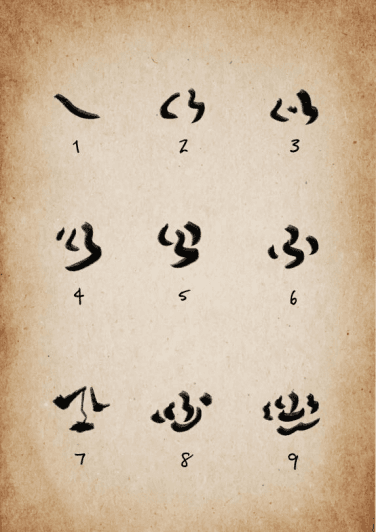
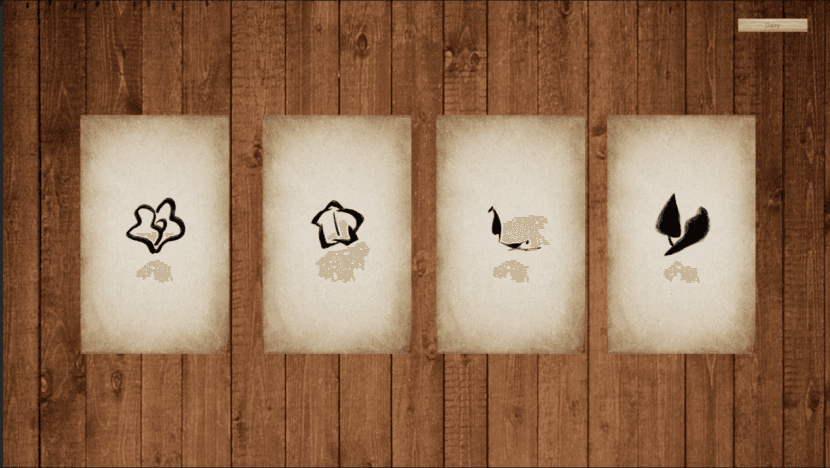
The game’s symbolic language system is inspired by Nüshu, a syllabic writing system created and used exclusively by women in rural Hunan, China, during the Han Dynasty.In a patriarchal society where women were denied literacy, they developed Nüshu to share poetry, emotions, and personal experiences in secret. In the game, this symbol system becomes a narrative and puzzle mechanic—an ancient code that carries the voices of silenced women across generations.
Narrative Roots — Original Play “Rainy Night”
Parts of the storyline adapt elements from the designer’s original stage play Rainy Night, which tells of a brother and sister who flee their small town after their forbidden affection drives their mother into madness. The adaptation brings these psychological themes into an interactive narrative form, blending theater and game storytelling.


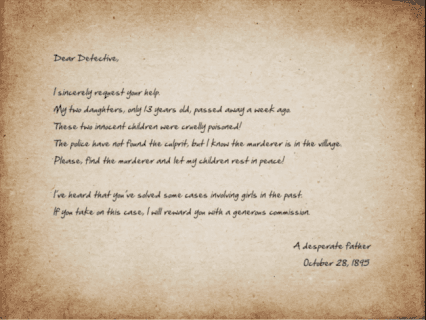
Opening – The Letter
The story begins as the detective receives a mysterious letter inviting her to solve a double homicide in a remote countryside village.
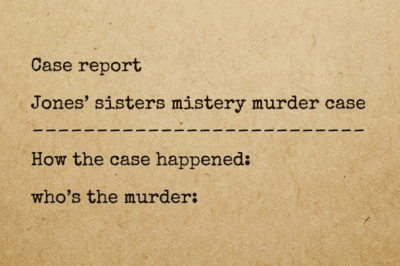
By the end of the investigation, she must complete a case report detailing how the incident occurred and who the murderer is.
Level Design
Level 1 – Initial Investigation
[Conduct a preliminary investigation throughout the village. Speak with villagers and the victims’ father to gather case information, and explore the sisters’ home and the elderly woman’s residence.]
Flow:
From the mayor, the detective learns:
· The two sisters were found dead in a cabin on the outskirts of the woods a week ago.
· Both had traces of poison on their lips—the cause of death confirmed as poisoning.
From villagers, she uncovers rumors:
· The village is haunted by fear of witchcraft, and many suspect the newly arrived old woman of practicing it.
· The elder sister, Rose, was once engaged.
· The sisters’ mother went mad years ago and is now locked away in the attic.
Exploring the sisters’ home:
· The father confirms that the first floor belonged to his daughters, while the attic remains forbidden.
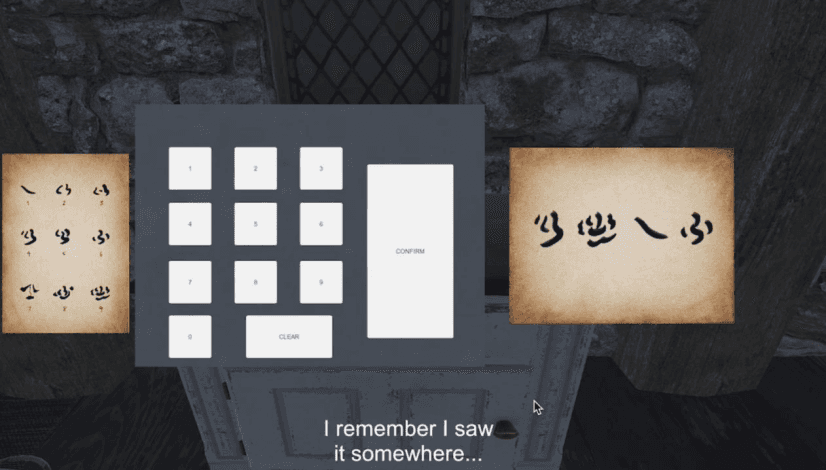
· The detective finds a locked mechanism featuring strange symbols, which cannot yet be opened.
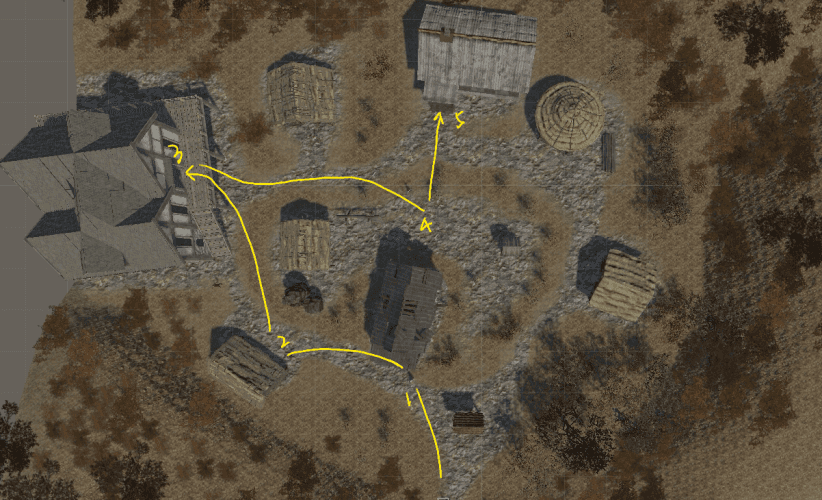
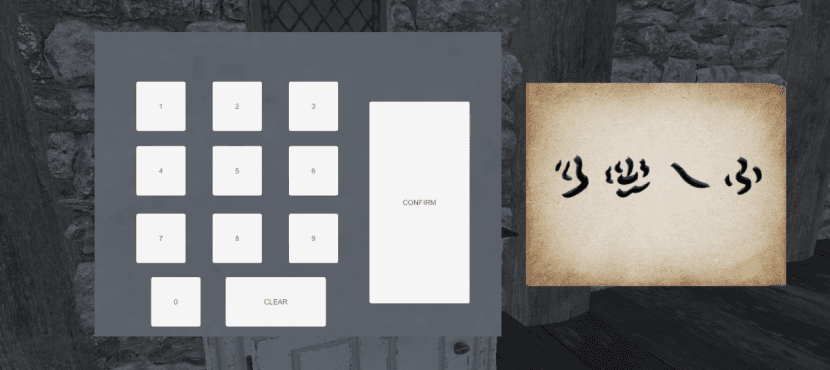
Roadmap
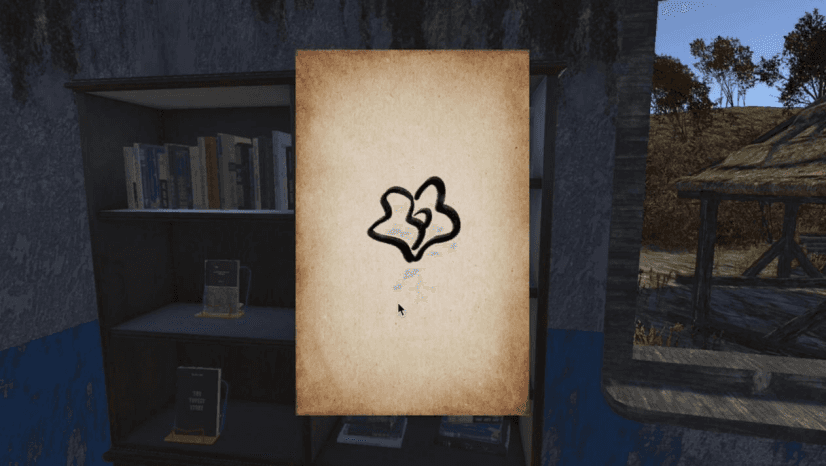
· Completing the puzzle reveals a torn page covered in mysterious symbols.
Exploring the old woman’s house:
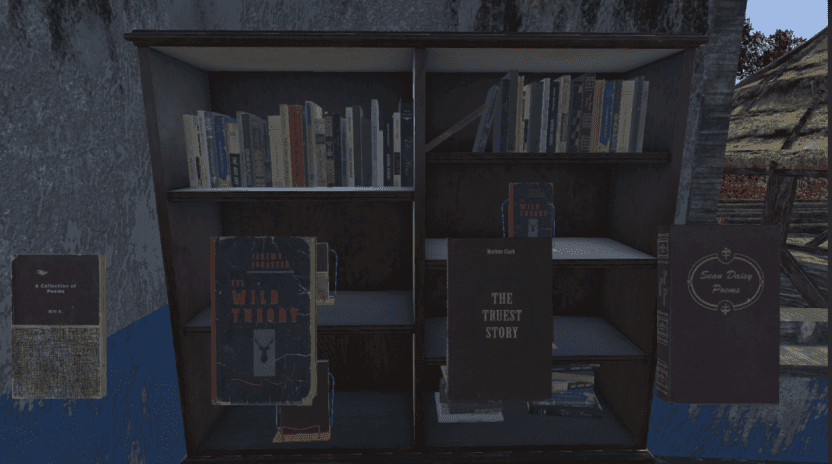
· On a bookshelf, the detective encounters a mini-game requiring books to be arranged by time of day: Dawn, Noon, Dusk, Midnight.

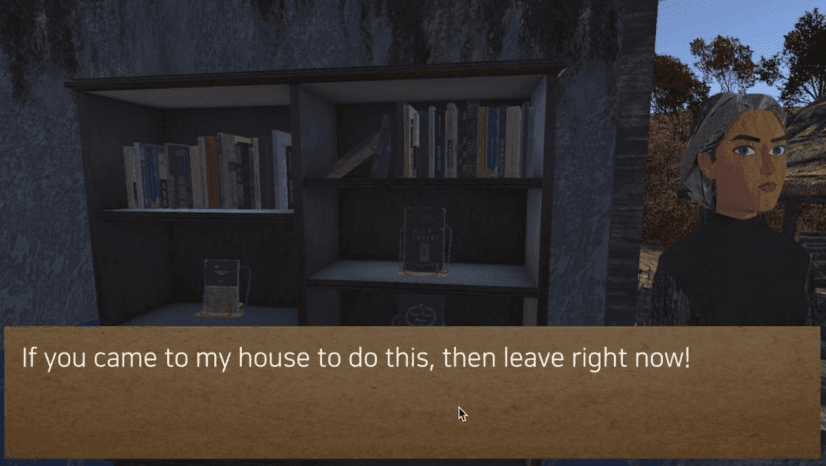
· Before she can examine it, the old woman catches her, snatches the page away, and expels her from the house.
Level 2 – Hidden Truths
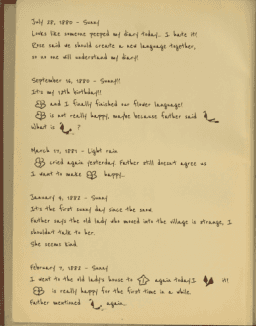
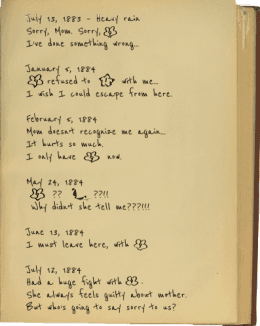
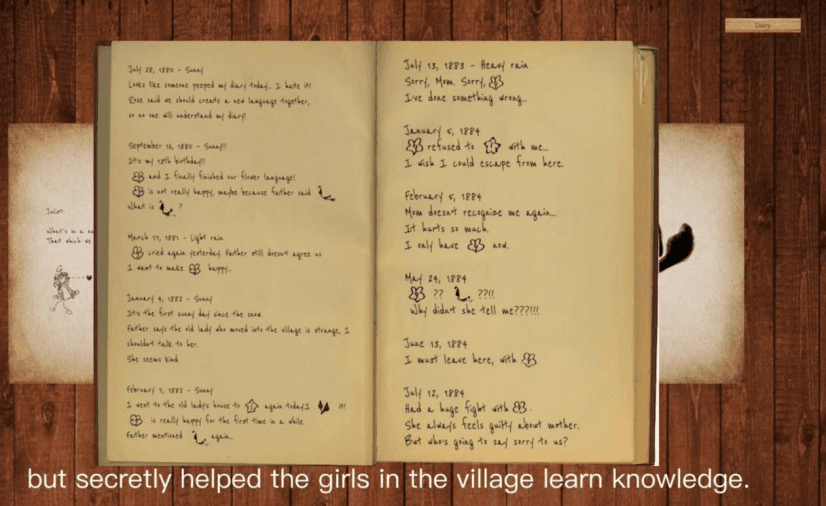
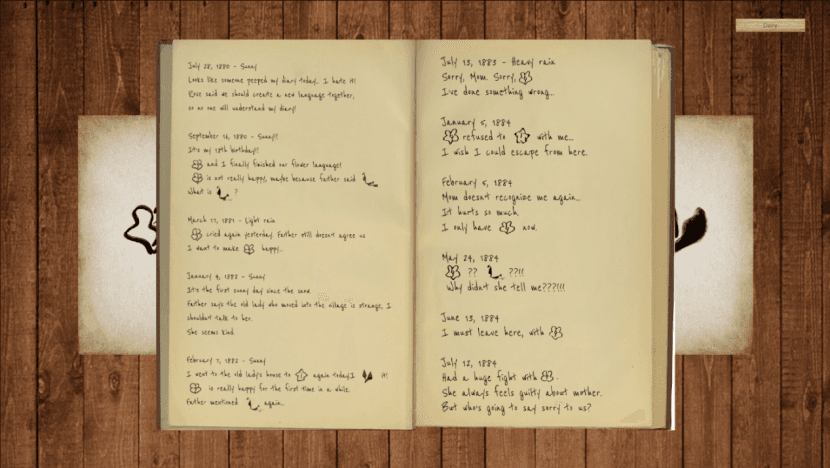
· Using these symbols, the detective deciphers the bedroom lock and discovers Mary’s diary, partially written in unreadable symbols.
Visiting the old woman again:
· The old woman reveals she knows who the detective is—one who specializes in cases involving women.
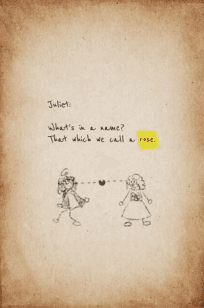
· She hands over the missing Romeo and Juliet pages and warns the detective not to reveal the truth publicly.
· Many young girls secretly study under her protection, disguised under rumors of witchcraft.
Roadmap
[Continue the investigation. Speak to the sisters’ mother for clues about the lock, and confront the old woman to retrieve the missing page.]
Flow:
From villagers:
· Many townspeople have left for the market, including the sisters’ father.
· The detective is asked to visit the mother in the attic.
· Children sing a local rhyme—eerily similar to Romeo and Juliet—claiming the deceased sisters taught it to them.
Exploring the sisters’ home again:
· The attic door is open. The detective meets the sisters’ mother, whose mind is trapped in the past.The mother proudly speaks of her daughters’ brilliance but laments that girls are forbidden from attending school.
· She directs the detective to a red book on the shelf, which contains a secret symbol system invented by the sisters.
Flow:
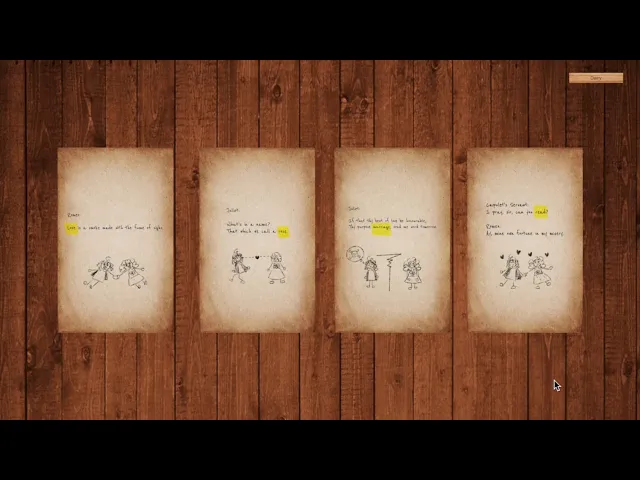
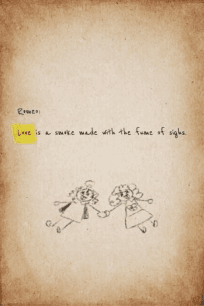
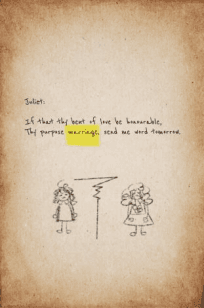
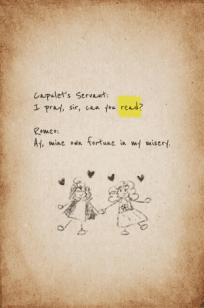
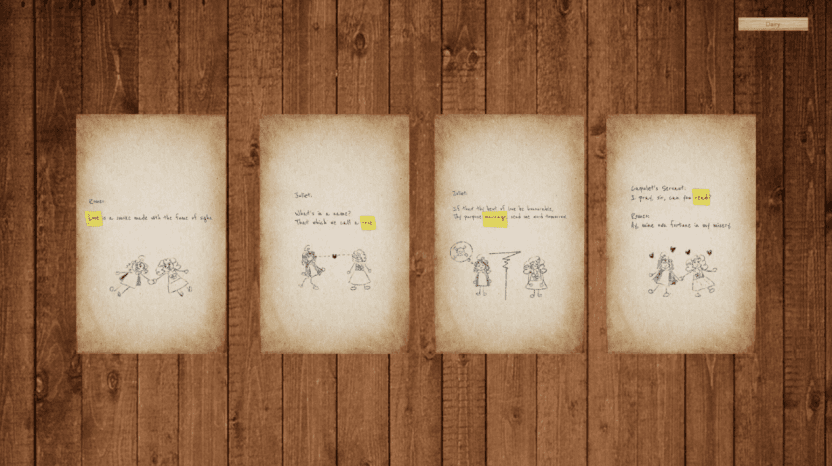
Arrange the four torn pages to form a continuous story. When correctly aligned, sketches on the pages connect into a complete image.
Level 3 – The Revelation
Using these symbols, the detective deciphers the diary’s encrypted entries and uncovers the full truth behind the tragedy.
The reverse sides reveal four unique symbols corresponding to highlighted words on the front.
Narrative Progress by Level
Opening:
The detective, struggling to save her nearly bankrupt agency, receives a letter from the sisters’ father offering a generous commission to solve their murder—a sum large enough to pay off all her debts.
Level 1:
The detective learns of the village’s collective fear of witchcraft. Girls often disappear briefly, returning home speaking nonsense. Villagers suspect the old woman, whose house glows with strange shadows at night.
The sisters’ father insists the attic is merely a storage room, though whispers claim their mother lost her sanity years ago after seeing something “unholy.” The elder sister, Rose, had been engaged shortly before her death.
Level 2:
The next morning, the detective returns to find the village unusually quiet—most residents have gone to the market, including the father. In the attic, she meets the mother, whose mind remains frozen in the past. She recalls how gifted her daughters were, and how the village forbade girls from education. The sisters had created a secret written language only they could read.
Later, the detective visits the old woman, who gives her Mary’s torn book pages and pleads with her not to expose the truth—the education of young girls depends on secrecy and subversion of superstition.
Level 3:
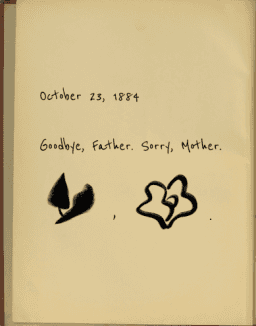
Solving the diary puzzle reveals the sisters’ hidden story. Gifted but forbidden to learn, they dreamed of escaping together. Their bond deepened beyond sisterhood, but the mother’s discovery drove her insane. Wracked with guilt, Rose chose to stay and marry. In despair, Mary laced her lips with poison, kissed her sister, and ended both their lives.
Full Narrative
A failing detective agency specializing in women’s cases receives an urgent request to investigate the strange deaths of two sisters in a distant village. Upon arrival, the detective learns the town is consumed by paranoia over witchcraft. The sisters’ mother, now mentally unstable, is locked in the attic, and rumors swirl about the mysterious old woman recently moved into town.
Through deeper investigation, the detective discovers that the old woman is secretly teaching the village girls to read and write. The gifted sisters, Rose and Mary, planned to escape the oppressive town together—but their bond had grown into something forbidden. When their mother caught them, the shock drove her to madness.
Overwhelmed with guilt, Rose agreed to an arranged marriage and refused to run away. In despair, Mary poisoned her sister with a “kiss of death,” and took her own life.
Storytelling
2D Characters:
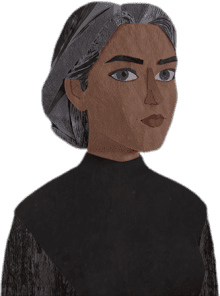
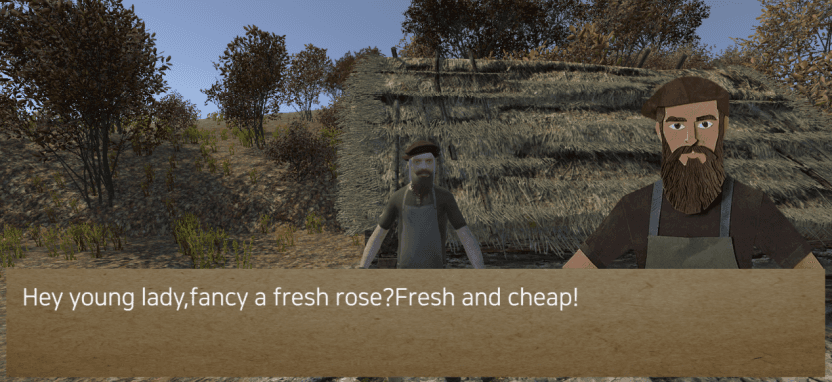
AI-generated portraits in a vintage collage style, blending realism with textured abstraction.
Art Direction


3D Assets:
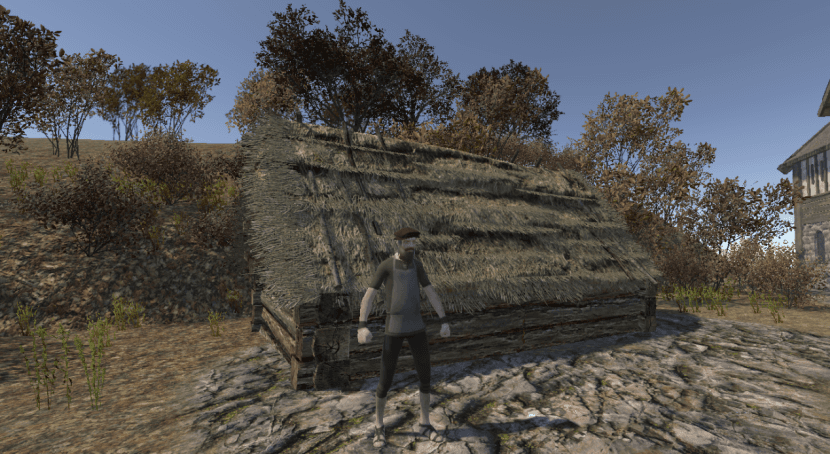
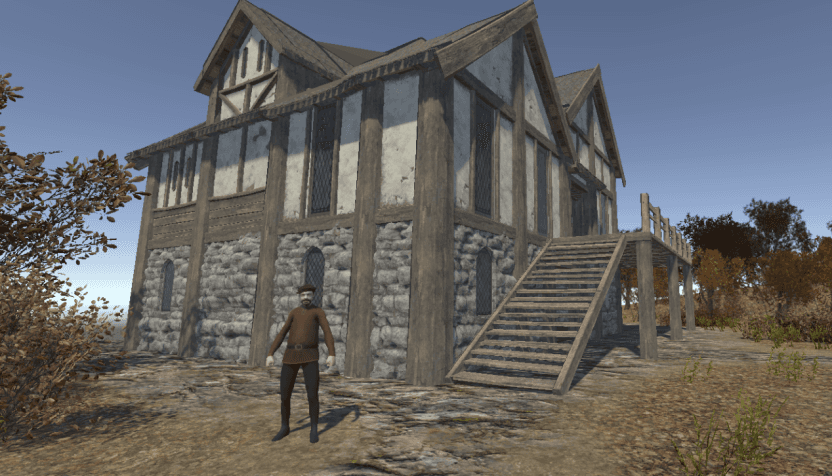
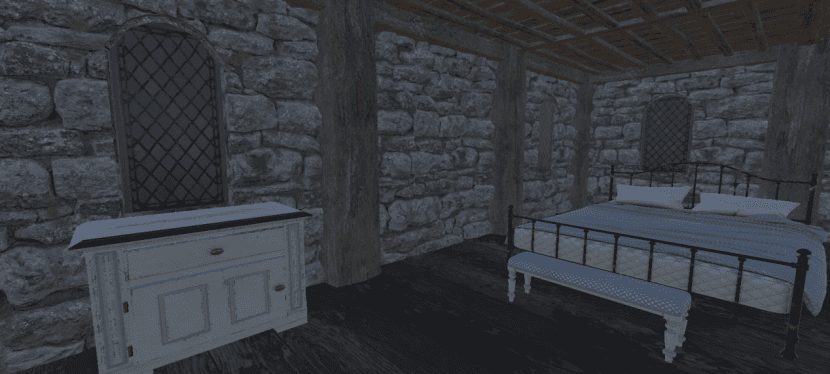
Realistic settings built from general assets to evoke the atmosphere of a late-19th-century European village—weathered wood, candlelit interiors, and muted tones.
UI Design:
Constructed from general materials such as wood and parchment textures, evoking aged detective journals and archival records.
Overall
Engine: Unity
Script Language: C#
Platform: Windows
The whole game are divided into four scenes: From Opening -> Level1 -> Level2 -> Level3

During development, I made use of the OOP concept, tried to modulate game systems, and each system are in charge of their own functionality. On the other hand, I tried to minimize dependency between each module, which will help reduce the complexity of the development, and easy to debug during the whole development process.
Here I want to introduce one of the modules – Interactable item module, which could be a good example.
Firstly, I created a base class called InteractableItem and inherited from MonoBehaviour(base class for all unity scripts).
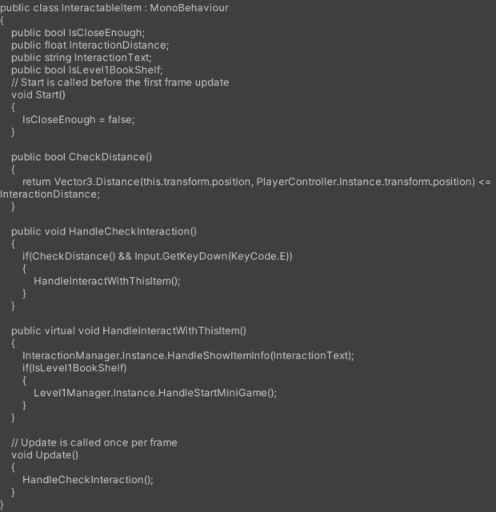
In the base class, I created several functions that all the interactable item would share, like CheckDistance() and HandleCheckInteraction(), those functions would remain the same among different items without needing to override.
For HandleInteractWithThisItem() function, the behavior needs to be customized by all the derived classes, so it is marked as VIRTUAL.
Then in the derived classes, for example, SisterHouseChest is a child class of InteractableItem
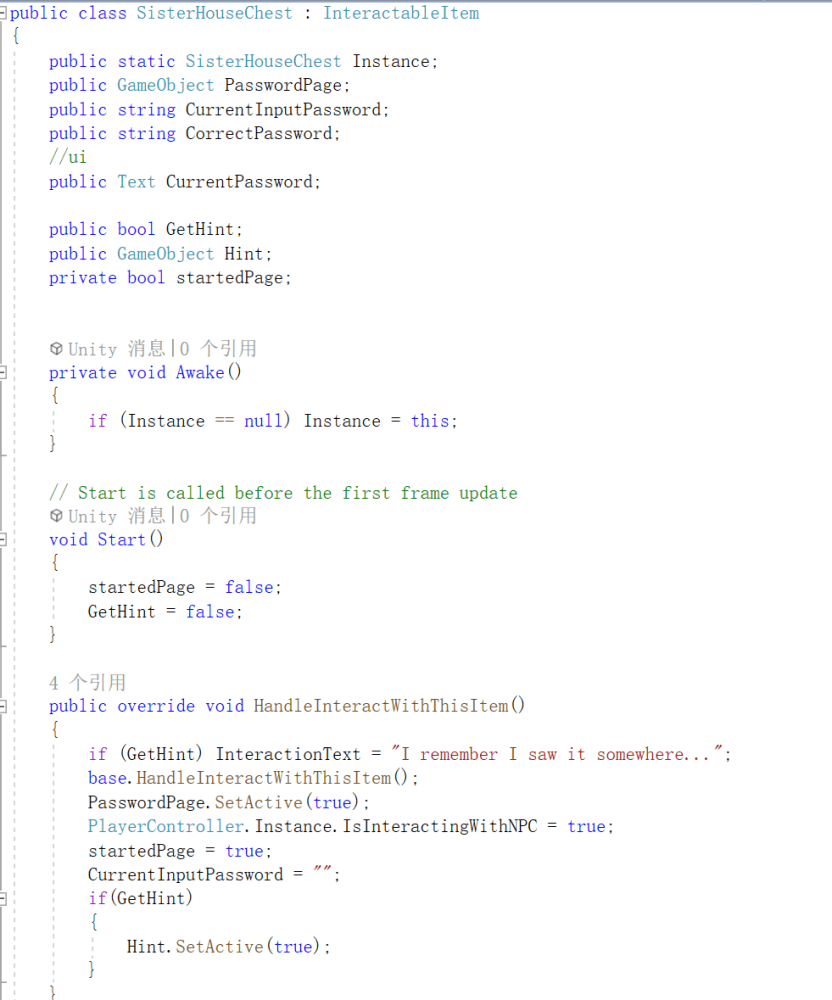
It override HandleInteractWithThisItem() function to implement the chest functionality.
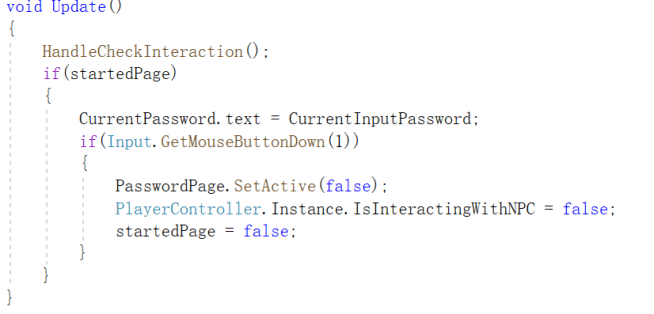
And In the Update() function, it calls HandleCheckInteraction() which defines in the parent class.
Development